Islam
Islam simply means to achieve peace - peace with God, peace with oneself, and peace with the creations of God; achieved by completely giving oneself to God and accepting His guidance
What is Islam and Who are Muslims?
Islam means attaining peace — peace with God, with oneself, and with all of God’s creation — by fully submitting to God and following His guidance. Islam is not a new faith; Muslims believe it is the same truth revealed by God through all prophets throughout time.
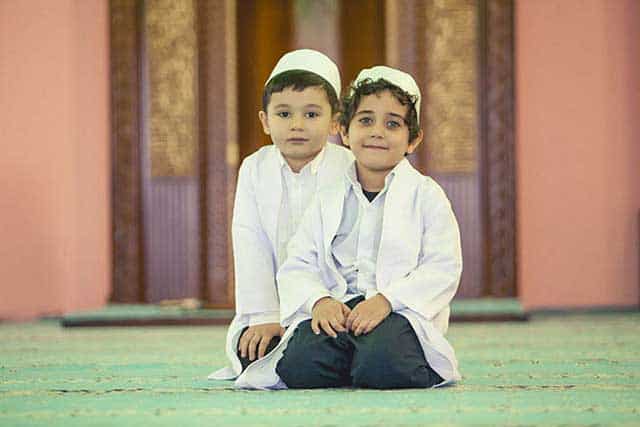
For one-fifth of the world’s population, Islam is a complete way of life. Muslims come from every race, nationality, and culture, with diverse languages, foods, clothing, and customs.
Their practices may vary, but they all identify as Muslim. Islam is a qualitative term reflecting one’s acceptance of God’s Supreme Authority. Becoming Muslim does not require abandoning one’s culture or traditions; rather, it means applying Islam’s simple and logical principles to improve one’s life and attain peace. Less than 20% of Muslims live in the Arab world.
A fifth live in Sub-Saharan Africa, and the largest Muslim population is in Indonesia. Much of Asia, including Central Asia, is Muslim, with significant Muslim minorities in China, India, Russia, Europe, North America, and South America.
What do Muslims Believe?
Muslims believe in the One, Unique, Merciful God — the Sole Creator, Sustainer, and Cherisher of the Universe. They believe in the angels God created, in His prophets who delivered revelation, in the Day of Judgment and personal accountability, in God’s complete control over destiny (good or bad), and in life after death.
Muslims also believe that God sent messengers to all peoples. The Qur’an mentions many Biblical prophets, including Adam, Enoch, Noah, Abraham, Lot, Ishmael, Isaac, Job, Ezekiel, Jacob, Joseph, Jonah, Jethro, Moses, Aaron, Elijah, Elisha, David, Solomon, Zechariah, John the Baptist, and Jesus — peace be upon them all.
God’s final message was revealed to the last prophet, Muhammad (peace be upon him), through the Angel Gabriel. This revelation confirmed and completed all earlier messages sent through previous prophets.
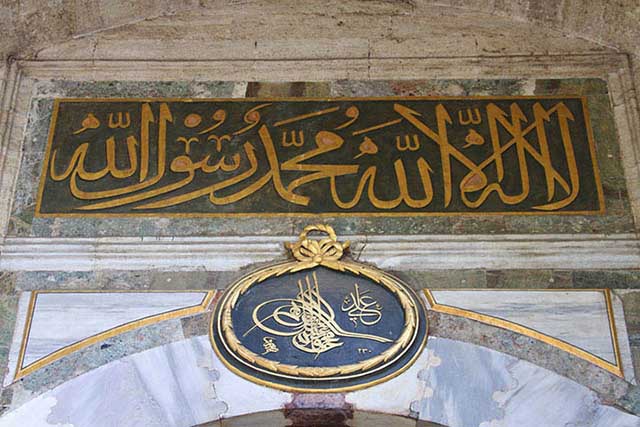
One becomes a Muslim by believing and declaring: “There is no deity except God, and Muhammad is the messenger of God.” This testimony affirms faith in God, His prophets, and the scriptures revealed to them.
Who is Allah?
Allah is the proper Arabic name for God. Muslims worship the same One God as Jews and Christians. The Qur’an says:
"And do not debate with the People of the Book, unless in the best of manners, but not with those who are unjust, and say: 'We believe in the Revelation that has come down to us and in that which has come down to you; Our God and your God is One, and to Him do we wholly give ourselves.'" (Qur’an 29:46)
Allah is a unique term, with no plural or gender. It predates Muhammad and was used in the forms of El, Elah, or Elohim by David, Moses, Jesus, and other messengers — peace be upon them all.
The Qur’an further describes Allah:
"He is God, the One that there is no deity but He; the Knower of the unseen and the apparent; He is the Source of All Mercy, the Merciful." (Qur’an 59:22)
"He is God, the One that there is no deity but He; the King, the Holy, the Source of All Peace, the Guardian of Faith, the Preserver, the Mighty, the Compeller, the Majestic; Glory to God, beyond their associations (of partners with Him)!" (Qur’an 59:23)
"He is God, the Creator, the Maker, the Fashioner. To Him belong the most beautiful names. All that is in the heavens and the earth magnifies Him; He is the Mighty, the Wise." (Qur’an 59:24)
What is? the Purpose of Creation
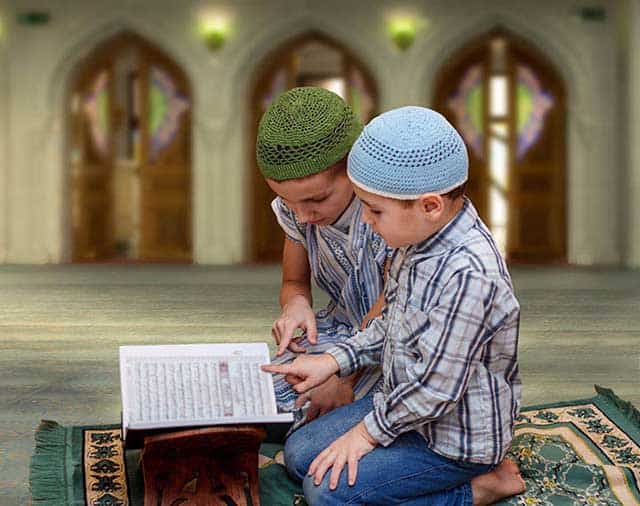
Muslims believe all creation has a purpose. A Merciful and Loving Creator brought everything into existence and provided meaning for all that exists.
"Those who remember Allah standing and sitting and lying on their sides and reflect on the creation of the heavens and the earth: Our Master! You have not created all this in vain! Glory be to You; protect us then from the torment of the Fire." (Qur’an 3:191)
Human beings are the pinnacle of God’s creation, made for one purpose: to worship their Creator, God Almighty.
"Surely I am Allah, there is no god but I, so serve (worship) Me and establish the prayer to remember Me." (Qur’an 20:14)
In Islam, worship goes beyond ritual prayer. Serving others, doing good, avoiding wrongdoing, and being kind, generous, and considerate are all forms of worship. Earning an honest living, speaking the truth, and caring for oneself, family, and community are also acts of worship. Muslims understand that inner peace, genuine contentment, and eternal happiness are achieved through connection with the Creator.
What is the Qur'an?
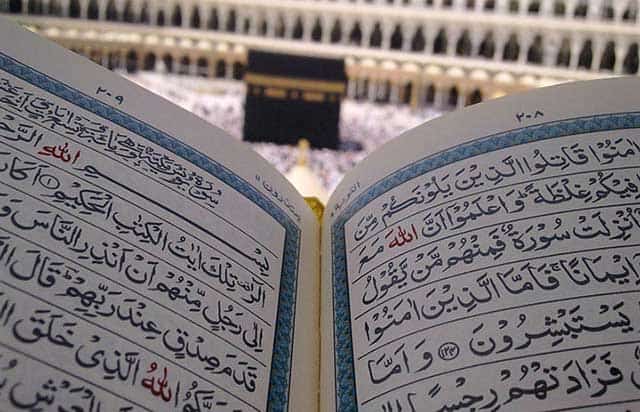
Muslims believe the Qur’an is the exact word of God, revealed through the Archangel Gabriel to Prophet Muhammad (peace be upon him).
The Prophet and his followers memorized the Qur’an, dictated it to companions, and scribes wrote it down and cross-checked it during his lifetime. Not one word of its 114 chapters has changed over the centuries. Today, it remains the same unique and miraculous text revealed over fourteen centuries ago.
The Qur’an is the primary source of Muslim faith and practice. It addresses all aspects of human life — wisdom, doctrine, worship, and law — with its central theme being the relationship between God and His creation. It also provides guidance for just societies, ethical conduct, and fair economic principles.
"He (God) has sent down to you the Book (the Qur’an) with truth, confirming what was revealed before; And He sent down the Torah (of Moses) and the Gospel (of Jesus) before this as a guide in humankind; and He sent down the Criterion (the Qur’an)." (Qur’an 3:3-4)
What kind of Worship is prescribed in Islam?
Worship in Islam is centered on The Five Pillars, which form the foundation of a Muslim’s life:
Testimony (Shahada) – Belief in and declaration: “There is no deity except God; Muhammad is the messenger of God.” This testimony affirms that the purpose of life is to serve God, following the example of Prophet Muhammad. The concept of God’s Oneness has been central to all prophets throughout history.
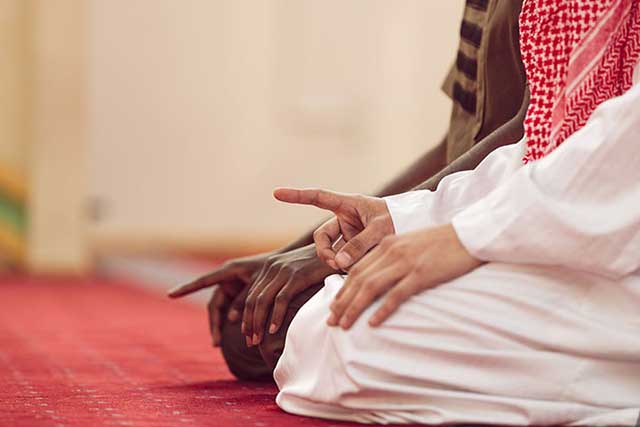
Prayer (Salah) – Muslims perform ritual prayers five times a day as a direct link to God, fostering trust, love, and inner peace. Friday includes a congregational prayer with a sermon. Prayers can be performed individually or in a Mosque, whose architecture reflects local cultures. The call to prayer (Adhan), first given by Bilal ibn Rabah, summons Muslims to worship:
"God is Greater! ... There is no deity except God."
Charity (Zakah) – Wealth belongs to God and is held in trust. Obligatory charity of 2.5% of assets purifies possessions, supports the needy, and fosters economic balance. Giving beyond this, even by simple acts of kindness, is also considered charity. The Qur’an says: “Those who spend of their wealth ... have their reward with their Lord.” (2:274)
Fasting (Sawm) – During Ramadan, Muslims abstain from food, drink, and harmful behavior from dawn to sunset, promoting self-purification and empathy for the less fortunate. Exemptions exist for children, the sick, travelers, and pregnant or nursing women. Ramadan ends with Eid al-Fitr, a day of prayer, reflection, and celebration.
Pilgrimage (Hajj) – Once in a lifetime, Muslims with the means perform Hajj in Makkah, following rituals established by Prophet Abraham. Pilgrims enter a state of sacredness, wear simple garments, and stand equal before God. Hajj includes visiting the Ka’bah, standing on Arafat, and praying for forgiveness. The festival of Eid al-Adha marks its end, commemorating Abraham’s willingness to sacrifice his son, with meat distributed to the needy.
These pillars guide Muslims in worship, ethical conduct, and connection with God, shaping both personal and communal life.

History

Islam

Jihad

Women

Family

Science

Interfaith
